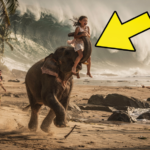
The boat shuddered as we made first contact with the edge of the mass. It wasn’t soft like seaweed or trash; it scraped against the fiberglass hull with a sickening, abrasive crunch. “Hard to port!” I shouted, but the rudder felt sluggish, as if the water itself had turned to syrup.
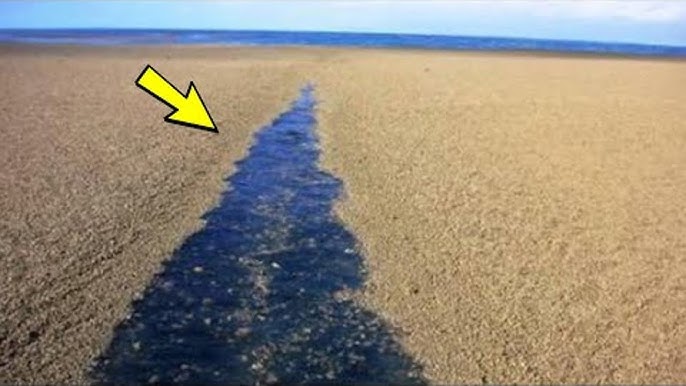
I looked down into the water and realized with horror that the “beach” was made of stones. Millions of fist-sized rocks were bobbing on the surface, clinking together to create that terrible hissing sound. “It’s pumice,” the mate realized, picking up a stone that had washed onto the deck. “It’s volcanic rock… lighter than water.” He looked at me, and I saw the realization dawn in his eyes. If there was fresh volcanic rock floating here, it had to come from somewhere close. My eyes darted to the depth sounder again; it was flickering erratically, unable to find the bottom.
“We need to get out of here, now,” I said, my voice steady despite the racing of my heart. I slammed the throttle in reverse, hoping to back us out of the grinding stone soup.
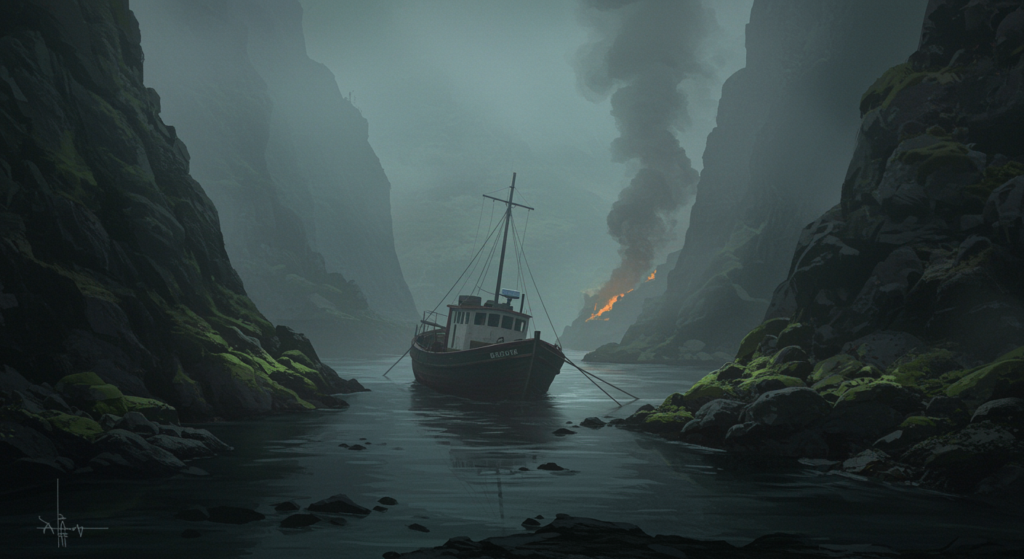
The engine roared, the prop churned, but the stones were thick, clogging the water around the propeller. The boat groaned, trapped in the floating vice of jagged rocks. The scratching sound against the hull grew louder, a deafening cacophony that vibrated through the deck plates. Then, the smell hit us—a pungent, rotten-egg stench of sulfur that burned the nostrils. It wasn’t just the rocks anymore; the air itself was turning toxic.
Top Articles